Understanding the Costs of Damp Surveys in the UK: A Comprehensive Guide to Damp Survey Costs UK
When purchasing or maintaining a property, understanding the condition of the building is essential. One common issue that can affect properties in the UK is damp. Damp can lead to structural damage, health problems, and a decrease in property value. To assess the presence and extent of damp, a damp survey is often necessary. This article provides a detailed overview of the costs associated with damp surveys in the UK, helping property buyers, homeowners, and commercial clients make informed decisions.
What Is a Damp Survey and Why Is It Important?
A damp survey is a professional inspection conducted to identify the presence of moisture within a property’s structure. The survey aims to detect different types of damp, such as rising damp, penetrating damp, and condensation. Each type requires a specific approach to treatment and repair.
The importance of a damp survey lies in its ability to reveal hidden problems that may not be visible during a standard property inspection. Damp can cause damage to walls, floors, and ceilings, and if left untreated, it can lead to costly repairs. Additionally, damp environments can promote mould growth, which poses health risks to occupants.
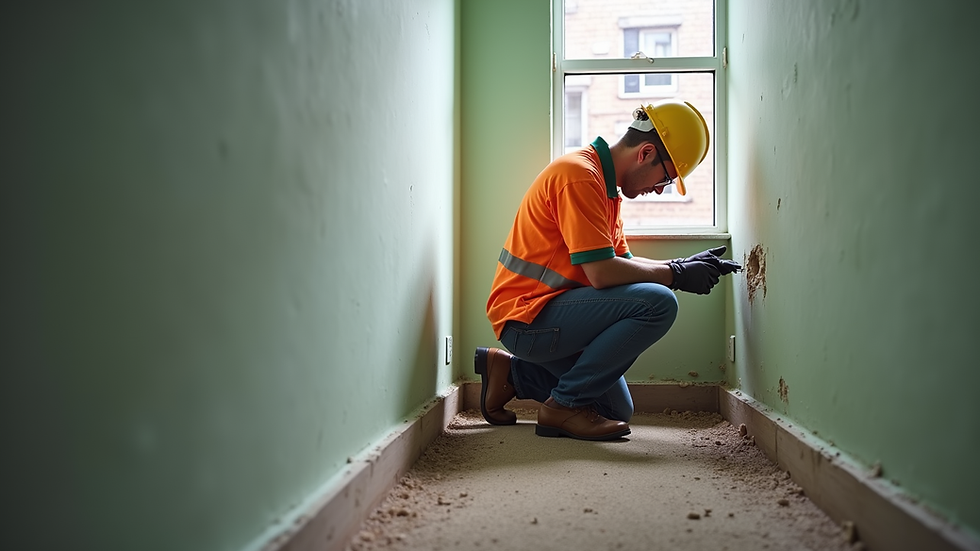
A thorough damp survey includes visual inspection, moisture readings using specialised equipment, and sometimes laboratory analysis of samples. The surveyor will provide a detailed report outlining the findings and recommended actions.
Factors Influencing Damp Survey Costs UK
The cost of a damp survey in the UK varies depending on several factors. Understanding these factors can help in budgeting and selecting the appropriate service.
Property Size and Type
Larger properties generally require more time and effort to survey, which increases the cost. Similarly, commercial properties or buildings with complex structures may incur higher fees due to the additional expertise and equipment needed.
Survey Depth and Scope
A basic damp check may be less expensive but might not provide comprehensive information. More detailed surveys, including invasive testing or laboratory analysis, will increase the overall cost.
Location
Survey costs can vary by region. Properties in urban areas or regions with a higher cost of living may attract higher fees. However, companies like RI Building Surveying aim to provide competitive pricing across the North West and North Wales.
Surveyor Experience and Reputation
Experienced surveyors with a strong reputation may charge more for their services. However, this often translates to more reliable and detailed reports, which can be valuable when making property decisions.
Additional Services
Some surveys may include additional services such as thermal imaging or chemical analysis, which can add to the cost but provide a more thorough assessment.
On average, a standard damp survey in the UK can range from £150 to £400. It is advisable to obtain quotes from multiple surveyors and clarify what is included in the price.
Is It Illegal to Sell a Property with Damp?
The presence of damp in a property does not make it illegal to sell. However, sellers have a legal obligation to disclose any known issues, including damp, to potential buyers. Failure to do so can lead to legal disputes and claims for compensation after the sale.
Buyers should be vigilant and consider commissioning a damp survey before completing a purchase. This ensures that any damp problems are identified early and factored into the negotiation process.
Sellers may choose to address damp issues before listing the property to improve marketability and avoid complications. In some cases, damp problems can be resolved with relatively straightforward repairs, while in others, more extensive work may be required.

How to Choose the Right Damp Surveyor
Selecting a qualified and reputable damp surveyor is crucial for obtaining an accurate assessment. The following tips can assist in making an informed choice:
Check Qualifications: Ensure the surveyor is a member of a recognised professional body, such as the Royal Institution of Chartered Surveyors (RICS).
Experience: Look for surveyors with specific experience in damp surveys and knowledge of local building conditions.
Reviews and References: Seek feedback from previous clients to gauge reliability and quality of service.
Detailed Reporting: Confirm that the surveyor provides a clear, comprehensive report with photographs and recommendations.
Use of Technology: Modern tools such as moisture meters and thermal imaging cameras enhance the accuracy of the survey.
Transparent Pricing: Obtain a written quote that outlines the cost and scope of the survey to avoid unexpected charges.
Engaging a surveyor who meets these criteria will help ensure that the survey results are trustworthy and useful for decision-making.
Understanding the Implications of Damp Survey Findings
Once a damp survey is completed, the report will detail the findings and suggest remedial actions if necessary. It is important to understand the implications of these results.
Types of Damp Identified
Rising Damp: Moisture from the ground rises through walls due to defective damp-proof courses or other issues.
Penetrating Damp: Water enters through external walls or roofs due to defects such as cracks or poor pointing.
Condensation: Moisture forms on internal surfaces due to inadequate ventilation or heating.
Recommended Treatments
Treatment options vary depending on the type and severity of damp. Common solutions include:
Installing or repairing damp-proof courses.
Improving drainage around the property.
Repairing external defects such as gutters and downpipes.
Enhancing ventilation to reduce condensation.
Applying chemical treatments or waterproof coatings.
Cost Considerations
Remedial work can range from minor repairs costing a few hundred pounds to major structural work costing several thousand pounds. Understanding the extent of the problem early through a damp survey can prevent unexpected expenses later.
Impact on Property Value
Damp issues can reduce the market value of a property. Buyers may request price reductions or require repairs before completing a purchase. For commercial properties, damp can affect tenant satisfaction and lease agreements.
Practical Recommendations for Managing Damp Survey Costs
Managing the costs associated with damp surveys and subsequent repairs requires careful planning. The following recommendations can assist:
Budget for Surveys Early: Include the cost of a damp survey in the overall property purchase or maintenance budget.
Obtain Multiple Quotes: Compare prices and services from different surveyors to find the best value.
Clarify Survey Scope: Ensure the survey covers all necessary areas and includes any additional tests required.
Act Promptly on Findings: Address damp issues quickly to avoid escalation and higher repair costs.
Consider Preventative Measures: Regular maintenance such as clearing gutters and improving ventilation can reduce the risk of damp.
Use Trusted Surveyors: Engage reputable professionals to avoid inaccurate assessments and unnecessary expenses.
By following these steps, property owners and buyers can manage damp survey costs effectively and protect their investment.
Final Thoughts on Damp Survey Costs UK
Understanding the costs and implications of damp surveys is essential for anyone involved in property transactions or maintenance. A damp survey provides valuable insight into the condition of a building and helps identify potential problems before they become severe.
The damp survey cost uk varies depending on property size, location, and survey complexity. Investing in a professional survey can save significant costs in the long term by preventing extensive damage and ensuring compliance with legal obligations.
Engaging experienced surveyors who use modern technology and provide clear, comprehensive reports is advisable. This approach supports confident decision-making and contributes to the preservation and value of properties across the UK.
Regular monitoring and maintenance, combined with timely surveys, form the best defence against damp-related issues. This proactive strategy benefits property owners and buyers alike, ensuring safe, healthy, and durable buildings.


Comments